
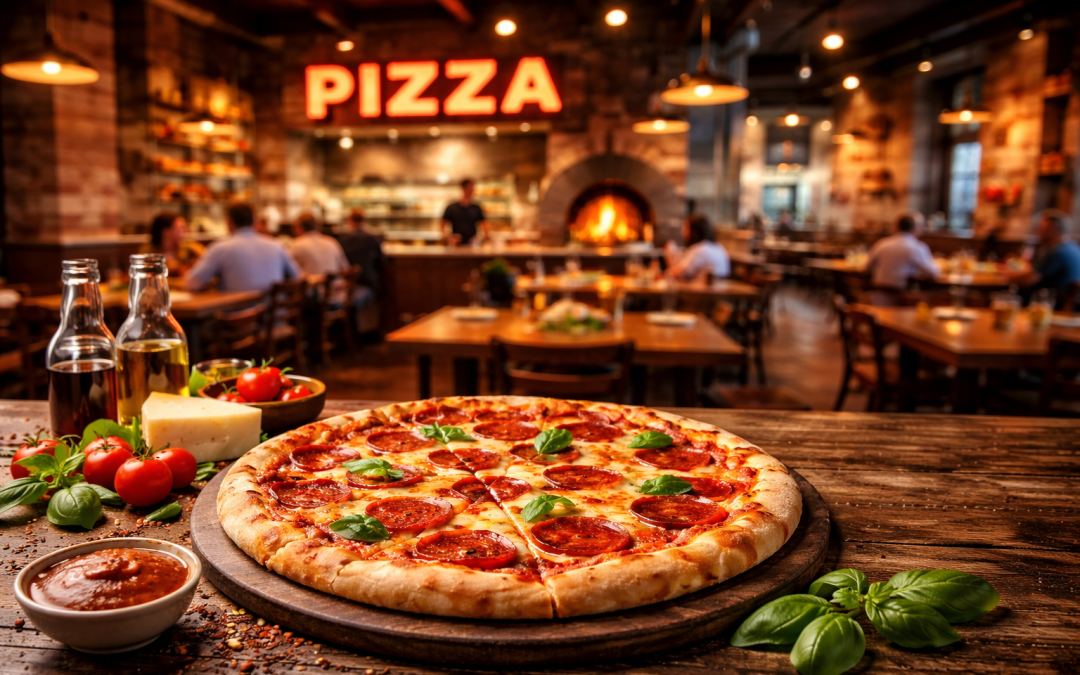
Every successful restaurant begins with one essential ingredient: quality food that customers genuinely want. No marketing strategy, social campaign, or digital presence can compensate for a menu that fails to satisfy demand. Restaurants must first focus on serving dishes that are fresh, consistent, and aligned with what their target audience craves. When customers leave impressed by the flavor, presentation, and overall experience, they become your most valuable marketing asset.
Traditionally, word-of-mouth has been the lifeblood of the restaurant industry. A recommendation from a friend or family member carries tremendous weight. However, in today’s digital world, word-of-mouth has expanded beyond in-person conversations. Online reviews now serve as modern referrals, influencing purchasing decisions at scale.
When potential diners consider trying a new place, their first step is often searching on Google. They read reviews, scan star ratings, browse photos, and look at menus before deciding whether to spend their money. People are cautious about where they dine because they don’t want to pay for a first-time bad experience. A few negative reviews without context—or worse, no reviews at all—can quickly drive them to a competitor.
This is where a strong restaurant website becomes essential.
While social media profiles and listing platforms are important, a restaurant website gives you full control over your brand, messaging, and customer journey. Unlike third-party platforms, your own site allows you to present your story, showcase your best images, highlight testimonials, and clearly display your menu without distractions.
A professionally designed restaurant website also builds trust. When customers find a clean, modern site with updated hours, accurate contact information, and high-quality photos, it reassures them that the business is legitimate and well-managed. On the other hand, if they can’t find a restaurant website—or find one that looks outdated—they may question the professionalism of the establishment itself.
Beyond credibility, a restaurant website plays a major role in local Search-Engine-Optimization (SEO.) When optimized correctly, it helps your business appear in local search results when customers are looking for nearby dining options. Including your menu, location details, and structured data improves visibility and increases the likelihood of attracting new diners.
However, even the best restaurant website cannot perform at its highest potential without strong reviews backing it up. Positive Google reviews act as social proof. They reduce perceived risk and encourage first-time visitors to give your restaurant a chance. The higher your rating and the more consistent your positive feedback, the more confident potential customers will feel.
Because of this, restaurants need a clear system for generating reviews. Hoping customers will leave feedback on their own is not a strategy. Instead, train staff to politely request reviews from satisfied guests. Add a review link or QR code on receipts. Include a follow-up email when customers order online. Make the process simple and friction-less.
Consistency is key. A steady stream of authentic reviews signals to search engines—and customers—that your restaurant is active and reliable. Pair this with an optimized restaurant website, and you create a powerful digital ecosystem that works around the clock to bring in new business.
In today’s competitive market, great food is the foundation, but visibility drives growth. Word-of-mouth may start the conversation, yet online research often closes the deal. By investing in a high-performing restaurant website and implementing a systematic approach to earning positive reviews, restaurants position themselves for long-term success.
Quality food earns loyalty. Strong reviews build trust. And a strategic restaurant website turns interest into reservations.